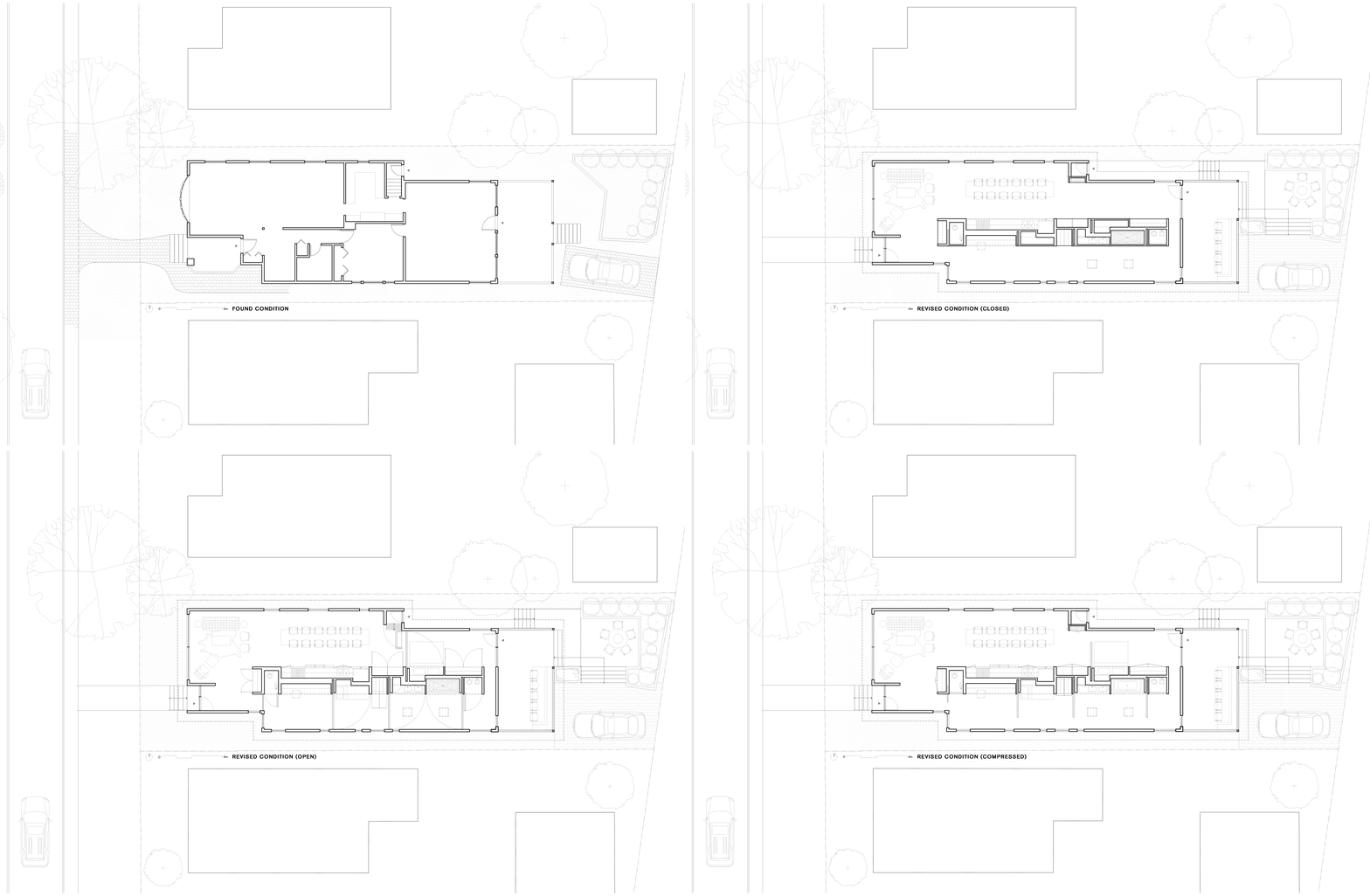
Being tasked with the creation of temporary space is one that most architects rarely get the opportunity to explore. In this particular instance, we were tasked with creating a temporary home to inhabit the skeleton of a prior dwelling ravaged by the 2013 Calgary floods.
As a historical precedent, traditional Japanese homes do not have a designated use for each room. Instead, each room is transformable, enabled by an oshi-ire — a cabinet that encompasses all of the furniture and elements that activate any given room. Here we present the Breathe Box: a singularity that encompasses the entirety of the machinery of living.
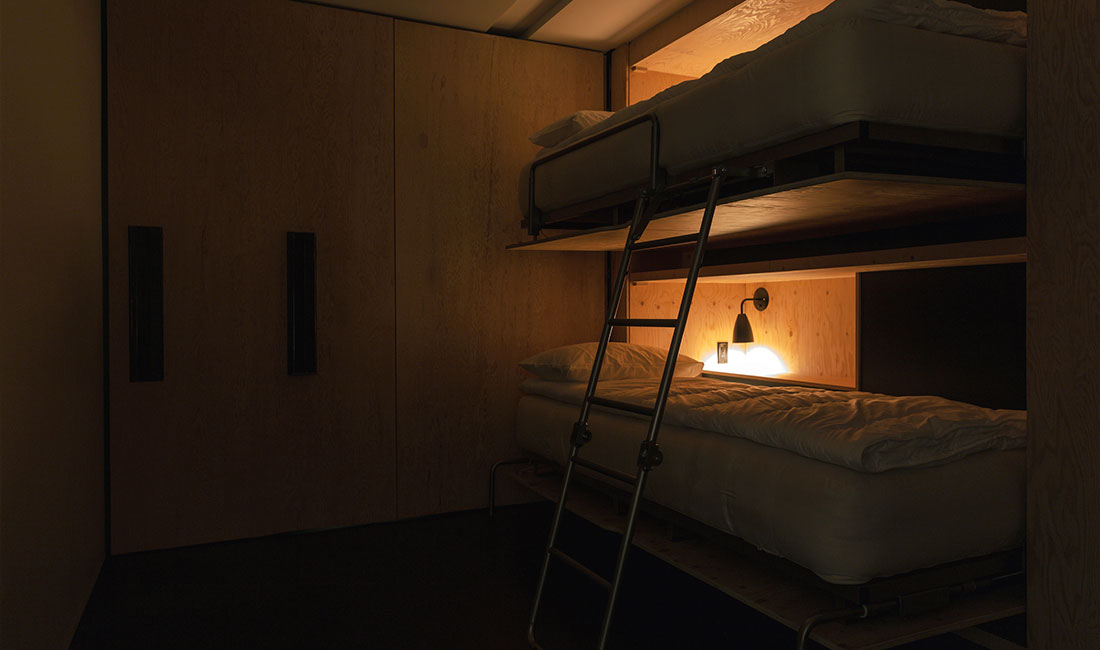
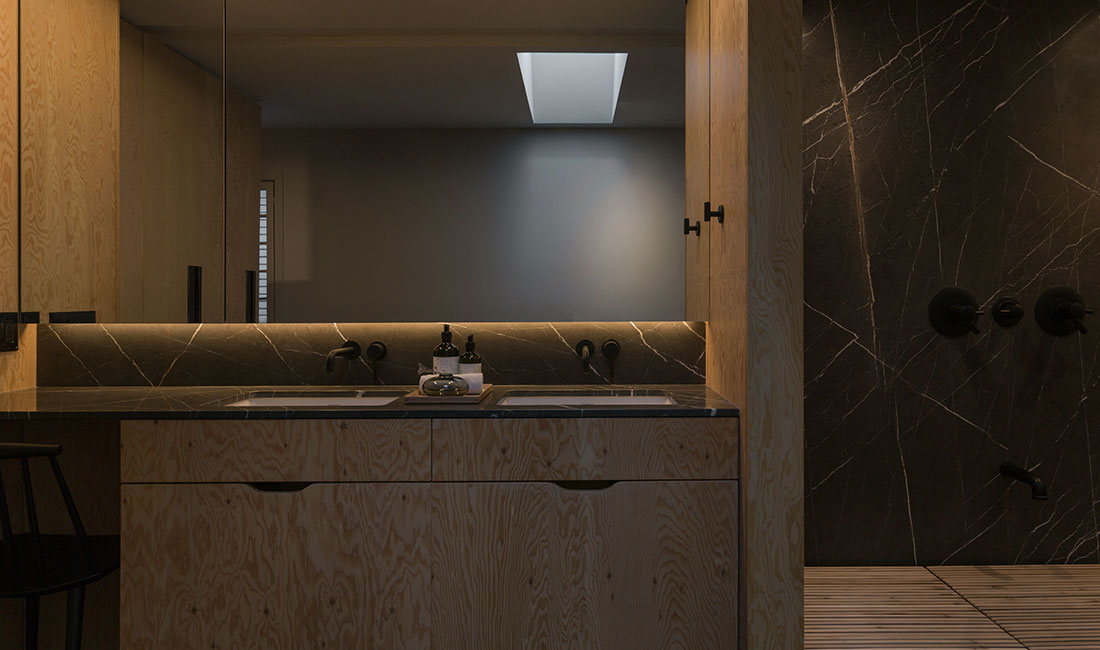
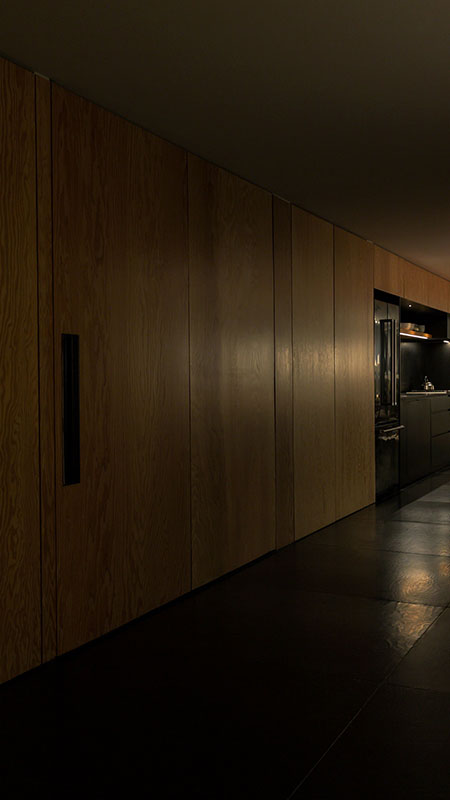
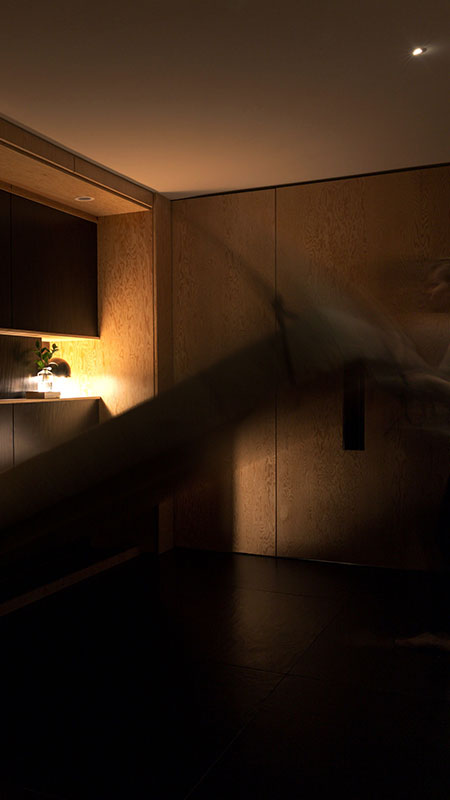
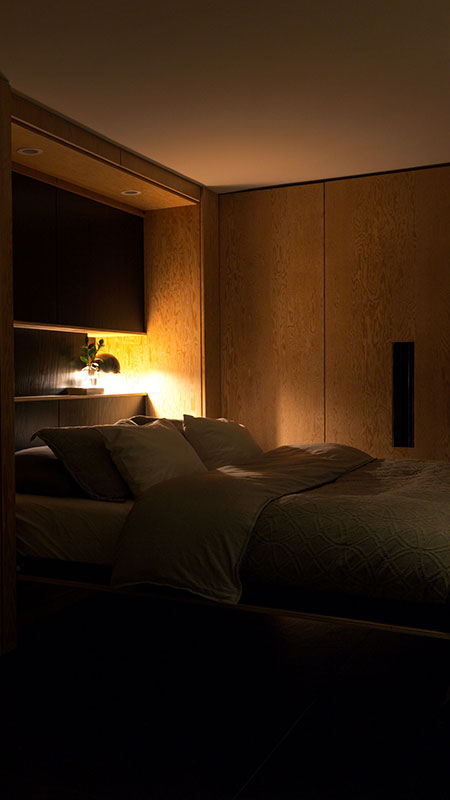
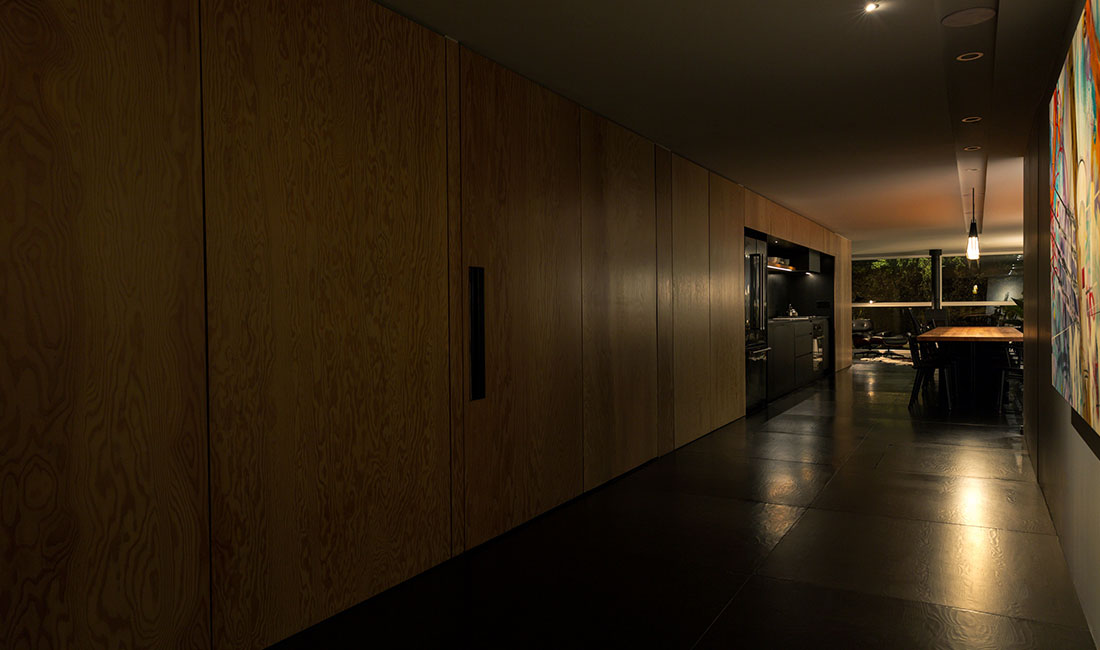
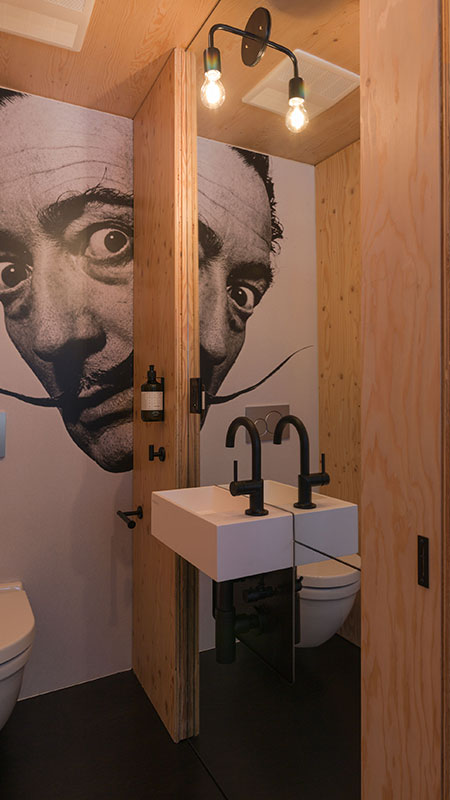
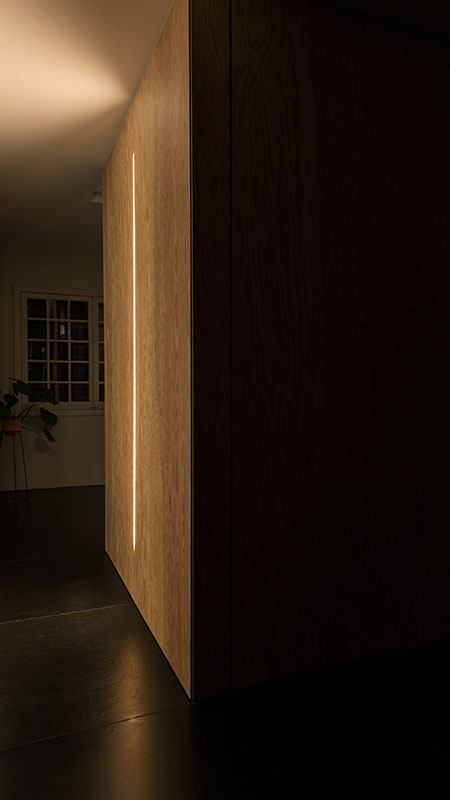
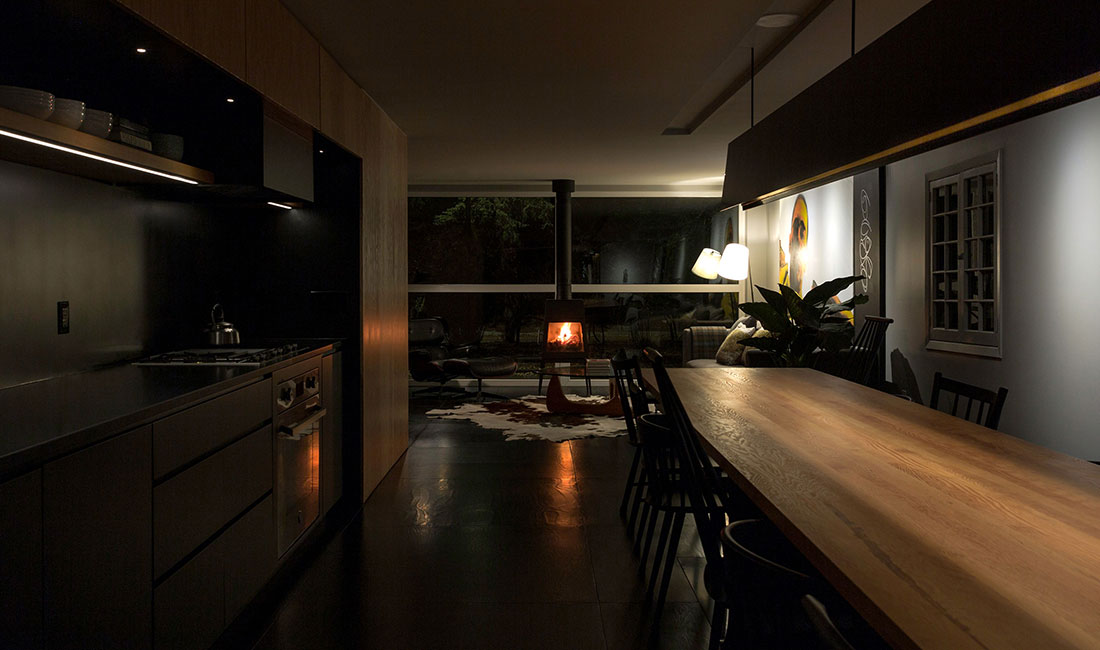
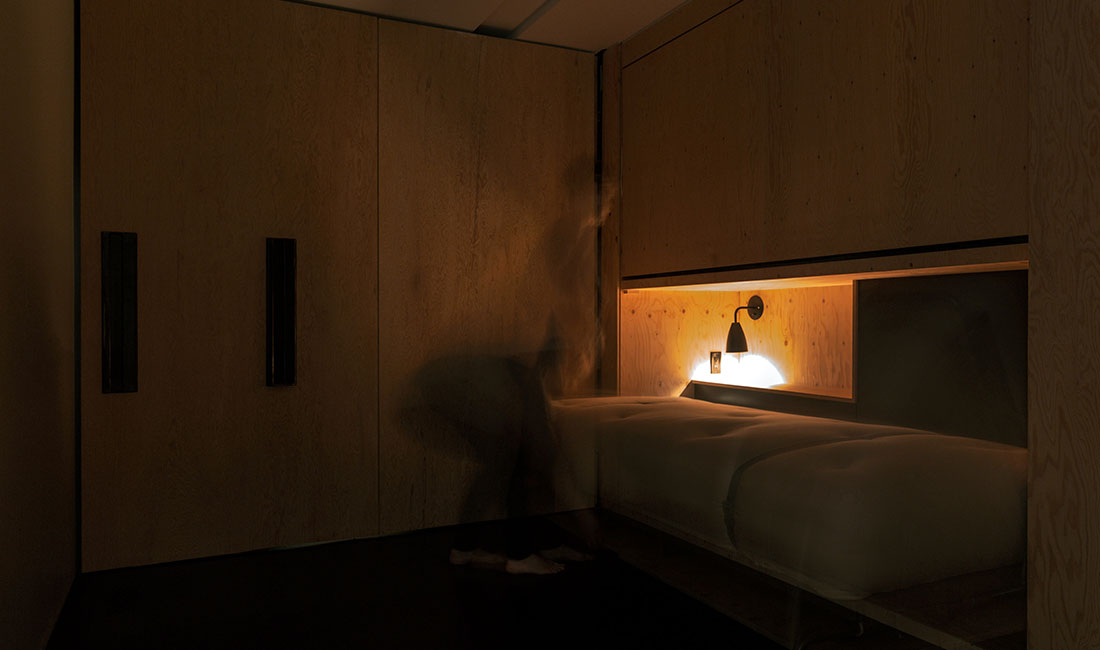
The box breathes, growing and collapsing itself to suit the activities and architectural demands of a dynamic family. Large panels swing outward from the central box, each action creating a room in a traditional sense. Beds, water closets, and bathing chambers are all contained within the Breathe Box — the remainder of the home becomes a singular large and fluid room, allowing light and air to circulate freely.
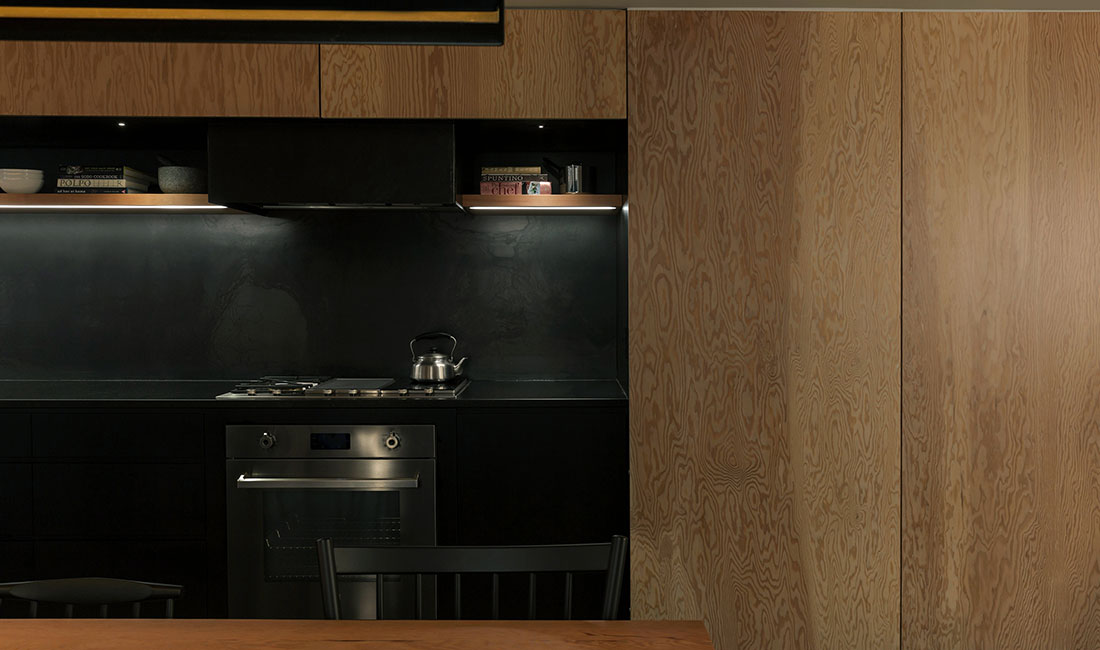
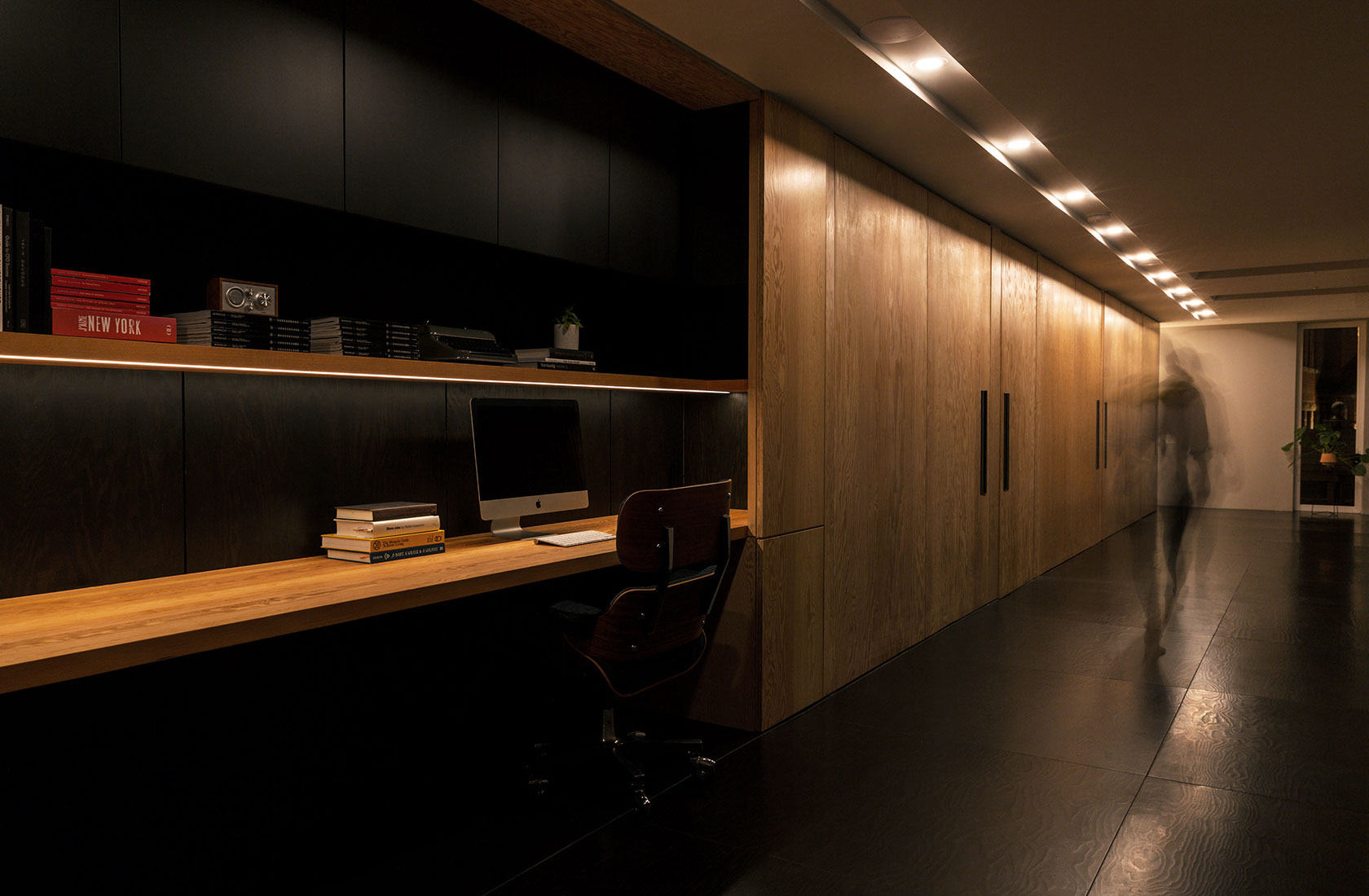
Materially, the Breathe Box is clad in clear-finished Douglas fir ply, punctuated only by a black kitchen and an open study.